Quick tip: Always check the Annual Equivalent Rate (AER) when comparing accounts, as it shows the true return you’ll earn over a year, including compound interest.
Understand types of high-interest savings accounts
The best high-interest savings accounts come in several varieties, each suited to different needs like flexibility or higher returns. To find the right one, start by identifying your savings goals—whether you need quick access to funds or are willing to lock away money for better rates. In 2025, options range from easy access accounts offering up to 4.5% AER to regular savers hitting 7.5% AER for disciplined depositors.
Easy access accounts
Easy access savings accounts, often the best easy access savings accounts uk savers choose for flexibility, let you withdraw money anytime without penalties. They typically offer variable rates that can change with the market, currently topping at 4.5% AER as of October 2025 (MoneySavingExpert, accessed 2025-10-21). Ideal for emergency funds, these accounts from UK banks and building societies provide instant access while beating standard savings rates.
Fixed-rate bonds
Fixed rate savings accounts 2025 lock your money for a set period, like one year, in exchange for guaranteed rates up to 4.55% AER. This stability appeals to those planning ahead, but early withdrawals often incur hefty penalties. They protect against rate drops, making them a solid choice if you can commit your funds.
Regular saver accounts
The best regular saver accounts 2025 reward consistent monthly deposits, usually £50 to £500, with rates up to 7.5% AER. However, missing payments or exceeding limits can reduce interest or add fees. These suit budgeters building habits, but review terms to avoid surprises on withdrawals.
Cash ISAs
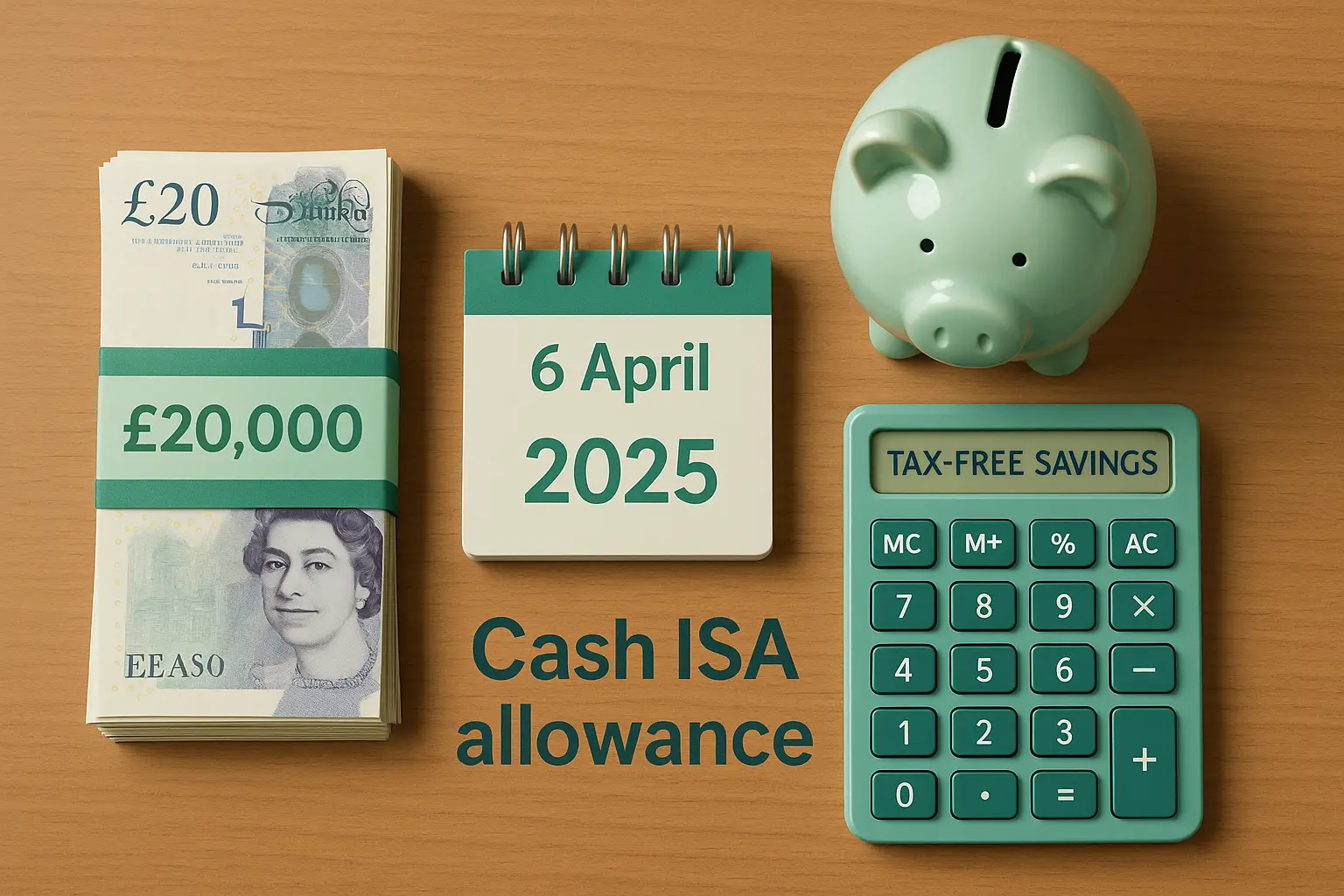
Cash ISAs offer tax-free interest on savings up to £20,000 annually, combining high-interest features with fiscal benefits. Rates mirror standard accounts but without personal savings allowance worries. They’re perfect for longer-term goals, especially if you’re a higher-rate taxpayer.
Key factors to consider when choosing an account
Interest rates drive returns, but safety and terms matter equally when learning how to find high interest savings accounts. Prioritise FSCS-protected options and low fees to maximise gains without risks. In 2025, top savings rates uk 2025 fluctuate, so balance yield with accessibility.
Interest rates and AER
The Annual Equivalent Rate (AER) standardises comparisons by showing yearly returns with compounding. Look beyond headline rates—variable ones in easy access accounts can dip, while fixed ones stay steady. Aim for inflation-beating AERs, like the 4.6% available on select no-minimum accounts (money.co.uk, accessed 2025-10-21).
Fees and charges
Many high-interest accounts have no fees, but watch for withdrawal charges or minimum balance requirements. Some regular savers penalise excess deposits, eroding gains. Always calculate net returns after any costs.
Accessibility and terms
Assess how often you need funds—easy access suits liquidity, while fixed bonds demand commitment. Terms vary by provider, with notice periods or deposit caps. Online savings often yield higher rates due to lower overheads.
Safety and FSCS protection
FSCS (Financial Services Compensation Scheme) safeguards up to £85,000 per person per institution if a provider fails (Financial Conduct Authority, accessed 2025-10-21). Choose fscs protected savings accounts from authorised UK banks or building societies for peace of mind. Online accounts are equally safe if FSCS-covered, countering common worries.
| Type | AER (%) | Min Deposit | Access | FSCS Protected |
|---|---|---|---|---|
| Easy Access | Up to 4.5 | £0 | Instant | Yes |
| Fixed-Rate (1 Year) | Up to 4.55 | £1,000 | Limited | Yes |
| Regular Saver | Up to 7.5 | £50/month | Penalties | Yes |
| Cash ISA | Up to 4.6 | £0 | Easy | Yes |
Source: Aggregated from Moneyfacts and Which? data (accessed 2025-10-21).
Step-by-step guide to comparing and selecting accounts
To compare high interest savings accounts effectively, follow this process: research providers, use tools, verify eligibility, and apply. This method ensures you secure top rates without overlooking pitfalls. Start with your savings amount and timeline for tailored results.
Research top providers
Visit sites like Moneyfacts for updated UK savings rates to scan options. Focus on AER, terms, and reviews from UK banks and online providers. Cross-reference with Which? guides on best savings accounts for customer insights.
Use comparison tools
Online calculators from MoneySavingExpert let you filter by type and rate. Input your deposit to project earnings, comparing easy access versus fixed. For best savings rates, these tools highlight seasonal trends in 2025.
Check eligibility and apply
Confirm age, residency, and tax status requirements—most are open to UK residents over 18. Apply online for speed, providing ID and bank details. Explore high yield savings accounts options during this step.
Monitor and switch if needed
Track rates quarterly, as they can fall post-Bank of England changes. Switching is simple via current account switch services, but check for bonuses. Aim to diversify across providers for full FSCS coverage.
Common mistakes to avoid
Overlooking inflation can make “high” rates feel low—target AER above 2-3% in 2025. Don’t ignore withdrawal limits in regular savers, which could forfeit interest. Failing to spread savings across institutions risks exceeding £85,000 protection. Finally, skip emotional decisions; base choices on data, not ads.
2025 trends and tips
Rates may hover around 4-5% amid economic shifts, with online banks leading due to efficiency. Digital tools simplify tracking, while cash ISAs gain popularity for tax perks. Tip: Automate transfers to regular savers for steady growth. For forecasts, consult MoneySavingExpert on regular savers.
Frequently asked questions
What is a high-interest savings account?
A high-interest savings account is a deposit account offering above-average interest rates compared to standard savings, helping your money grow faster. In the UK, these often exceed 4% AER in 2025, paid daily or monthly with compounding. They’re ideal for short- to medium-term goals, but choose based on access needs to avoid penalties. Unlike current accounts, they prioritise returns over transactions.
How much interest can I earn in 2025?
In 2025, you could earn up to 4.5% AER on easy access accounts or 7.5% on regular savers, depending on your deposit and discipline. For £10,000 in a 4.5% account, expect around £450 annually before tax. Rates vary by provider and market conditions, so compare regularly to lock in top savings rates uk 2025. Remember, tax-free ISAs boost net gains for eligible savers.
Are online savings accounts safe?
Yes, online savings accounts are safe if from FSCS-protected UK institutions, covering up to £85,000 per person. They use secure encryption and two-factor authentication, matching high-street banks. Many offer higher rates due to lower costs, but verify the provider’s authorisation via the FCA register. Avoid unregulated foreign options to mitigate risks.
What’s the difference between easy access and fixed-rate?
Easy access allows withdrawals anytime with variable rates around 4.5% AER, suiting flexible needs like emergencies. Fixed-rate bonds guarantee rates like 4.55% for a term but penalise early access, fitting committed savers. Choose easy access for liquidity or fixed for predictability in how to find high interest savings accounts. Both can be FSCS-protected, but fixed often yields slightly more.
How to switch savings accounts?
To switch, close your old account or transfer funds directly if the new provider allows, often fee-free. Use comparison sites to find better rates, then apply online with proof of identity. Notify your bank to avoid gaps in interest, and consider timing around rate changes. For seamless moves, opt for providers with switch incentives in 2025.
What are the best fixed rate savings accounts 2025?
The best fixed rate savings accounts 2025 offer guaranteed AER up to 4.55% for one-year terms, beating inflation for locked funds. Focus on minimum deposits and penalties when selecting, ensuring FSCS coverage. These suit risk-averse savers planning ahead, but compare via tools for the highest yields without access needs. Expert sites like Which? provide updated picks with customer ratings.