
Tip: Always check the latest interest rates before opening an account, as they can change frequently. Consider your child’s future needs and consult a financial advisor if unsure.
Types of child savings accounts in the UK
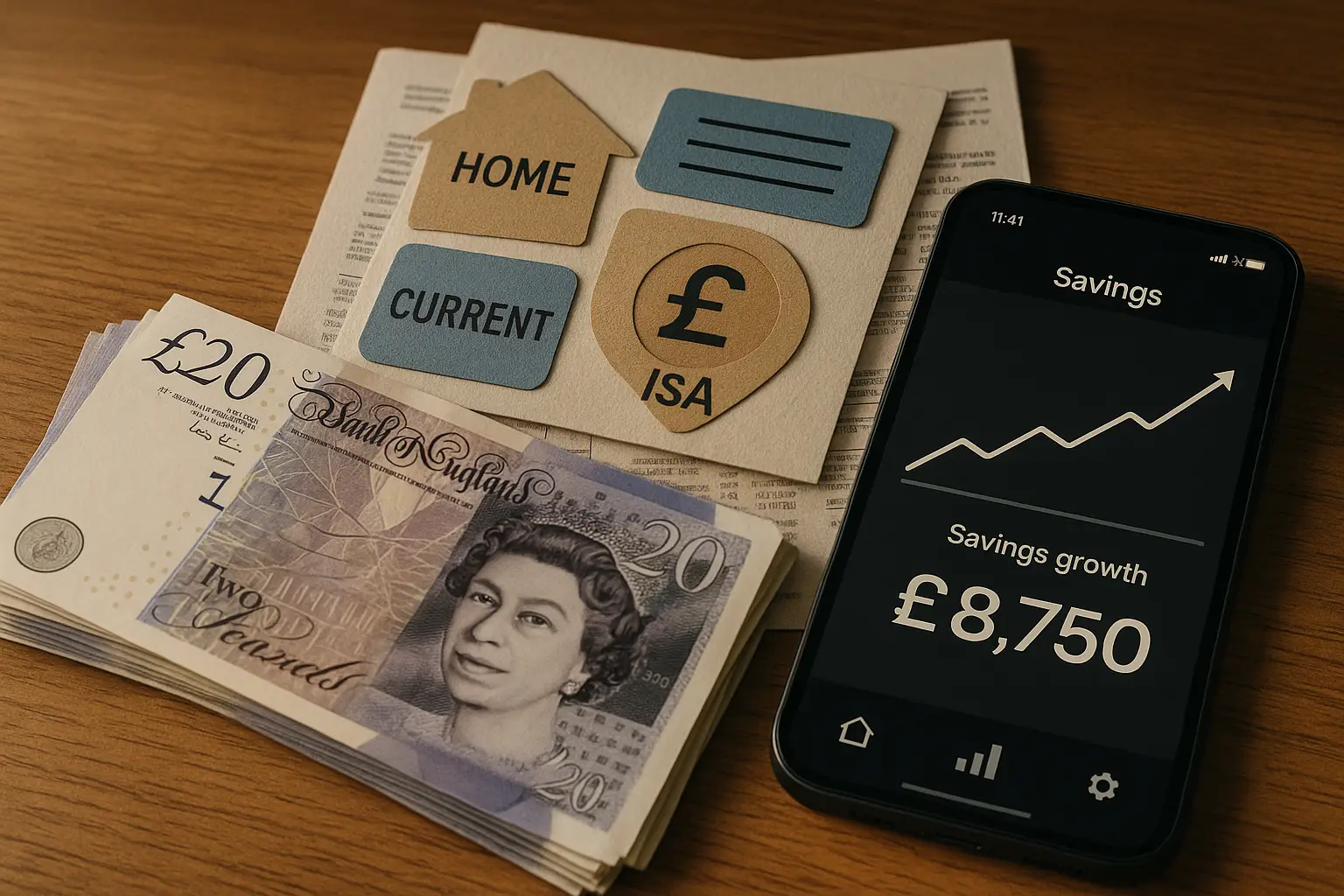
Child savings accounts in the UK help parents and guardians build a financial foundation for their children, with options offering tax-free growth and competitive interest. The best child savings accounts UK provide security through FSCS protection up to £85,000 per person per institution. Understanding the main types ensures you select the right one for your family’s needs.
Junior ISAs explained
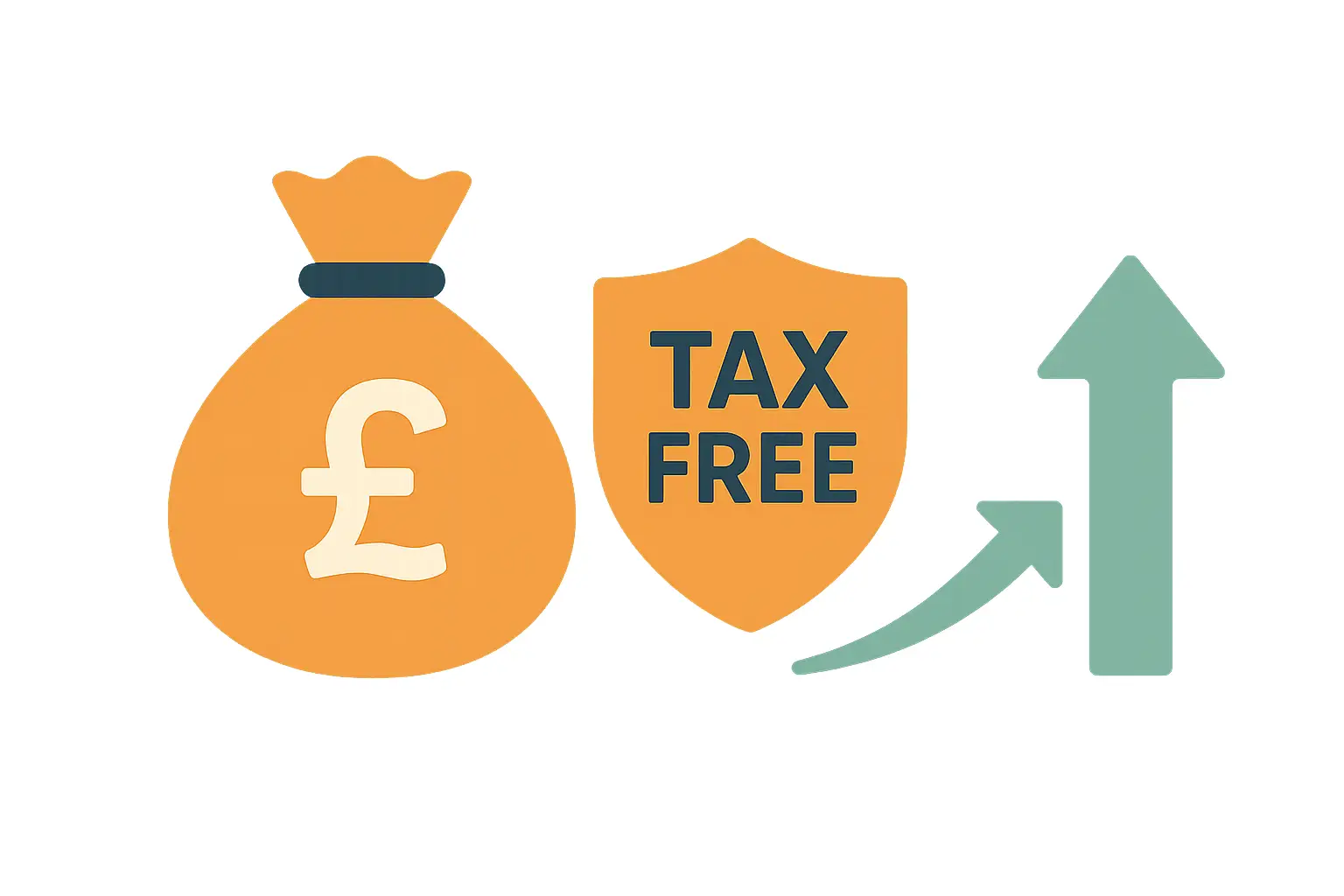
A Junior ISA is a tax-free savings or investment account for children under 18, allowing up to £9,000 annual contributions in 2025 with growth tax-free until maturity (GOV.UK, accessed 2025-10-27). Funds are locked until age 18, promoting long-term saving, and cash versions offer steady interest while stocks and shares add potential growth. This makes Junior ISAs ideal for the best UK child savings accounts focused on future education or home deposits.
Regular saver accounts for kids
Regular saver accounts encourage monthly deposits, often from £10 to £100, earning higher rates like up to 5.5% AER in 2025 (MoneySavingExpert, accessed 2025-10-27). These accounts suit families building habits but may penalise missed payments or early withdrawals. They rank among the best child savings accounts UK 2025 for boosting savings discipline.
Easy-access children’s accounts
Easy-access accounts allow anytime withdrawals with rates around 4.5-5% AER, led by providers like Nationwide (Which?, accessed 2025-10-27). No lock-in periods make them flexible for unexpected needs, though rates may drop. These are great entry points for the best uk child savings accounts for beginners.
Top child savings accounts for 2025
In 2025, the best child savings accounts UK prioritise high AER, tax benefits, and low minimum deposits, with top options yielding up to 5.5% for regular savers. Parents can compare easy-access and fixed-rate accounts to match liquidity needs. Based on current data, focus on providers offering FSCS cover and no fees.
Highest interest rates
Top rates reach 5.5% AER on regular saver accounts from building societies, requiring consistent deposits (MoneySavingExpert, accessed 2025-10-27). Easy-access options hit 4.8% AER for instant use (MoneySuperMarket, accessed 2025-10-27). For the best child savings accounts uk 2025, prioritise AER—annual equivalent rate, which shows true yearly returns including compounding.
Best for tax-free growth
Junior ISAs stand out for tax-free growth, with cash versions at 4.5% AER and no tax on interest (GOV.UK, accessed 2025-10-27). Unlike regular accounts, they avoid the £100 parental gift rule for tax. These are essential for long-term best UK child savings accounts.
Provider comparison
Compare key features below to find the best fit. Rates are indicative as of late 2025 and subject to change.
| Provider | AER (%) | Min Deposit | Type | Withdrawal Rules |
|---|---|---|---|---|
| Nationwide Building Society | 4.5 | £1 | Easy-access | Unlimited |
| Barclays | 4.2 | £1 | Easy-access | Unlimited |
| HSBC | 5.5 | £10/month | Regular saver | Limited to 1/year |
| Junior ISA (various) | Up to 4.8 | £1 | Tax-free ISA | None until 18 |
For more on child savings account interest rates, explore detailed breakdowns.
How to choose the best account for your child
Select based on access needs, tax status, and rates—Junior ISAs for locked savings, easy-access for flexibility. Evaluate minimum deposits and provider reliability to secure the best child savings accounts UK.
Factors to consider
Key factors include AER, withdrawal flexibility, and age limits (under 18 typically). Check FSCS protection for safety. For 2025 trends, higher rates favour regular savers.
Tax implications
Junior ISAs are fully tax-free, while regular accounts may incur tax if interest exceeds £100 from parents. Gifts over £100 could trigger child tax liability. Learn more about tax-free details for clarity.
Opening an account step-by-step
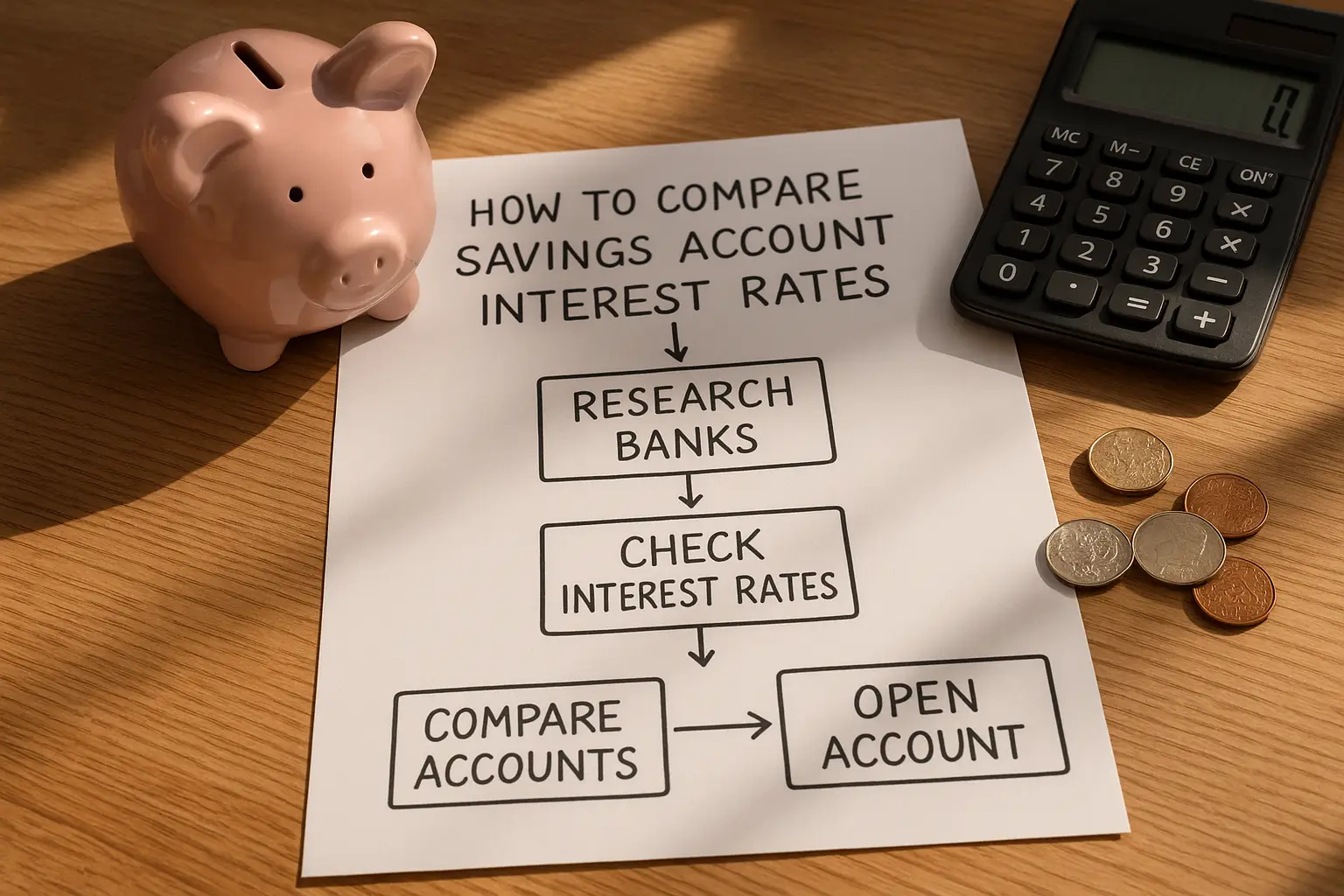
Parents open accounts online or in-branch with child’s birth certificate and address proof. Choose provider, deposit initial funds, and set up standing orders. Detailed guidance on how to open a child savings account simplifies the process.
Tip: Calculate potential growth: £1,000 at 5% AER compounds to about £1,050 after one year. Use online calculators for projections.
UK savings statistics and trends for 2025
Junior ISA subscriptions hit 1.37 million in 2023/2024, with cash JISAs at 66.2% share, showing rising preference for safe savings (GOV.UK, accessed 2025-10-27). Trends point to stable rates around 4-5% amid economic shifts.
Junior ISA popularity
Popularity surges due to tax benefits, with cash options dominating for low-risk families. Subscriptions grew steadily, reflecting parental focus on security.
Interest rate outlook
Expect 4.5-5.5% AER in 2025, influenced by Bank of England policies (Which?, accessed 2025-10-27). Monitor for cuts, impacting the best child savings accounts uk 2025.
Pros and cons of popular providers
Nationwide and Barclays offer reliable options, but compare fees and apps. For comprehensive reviews, see our best child savings account pillar.
Nationwide
Pros: High easy-access rates, branch network. Cons: Variable rates may fluctuate. Strong for flexible best uk child savings accounts.
Barclays
Pros: Simple online setup, app integration. Cons: Slightly lower rates than competitors. Good for tech-savvy parents.
Other options
HSBC excels in regular savers; explore MoneySavingExpert’s top picks for more. Always verify via Moneyfacts.
Discover the benefits of child savings accounts to motivate starting today. Rates and details based on October 2025 data; consult professionals for advice.
Frequently asked questions
What is the best savings account for a child under 18?
The best savings account for a child under 18 depends on needs, but Junior ISAs top lists for tax-free growth up to £9,000 yearly, ideal for long-term goals like university. Easy-access accounts from Nationwide suit flexible spending with 4.5% AER. Compare via tables to match your strategy, ensuring FSCS protection.
Are child savings accounts tax-free in the UK?
Child savings accounts are tax-free via Junior ISAs, shielding interest and gains until 18. Regular accounts avoid tax on up to £100 parental gifts annually, but excess may count as parent’s income. This rule protects family savings; opt for ISAs to eliminate worries entirely.
How much can I save in a Junior ISA in 2025?
In 2025, the Junior ISA limit remains £9,000 per year, covering cash or stocks for tax-free accumulation (GOV.UK, accessed 2025-10-27). Unused allowance doesn’t carry over, so contribute steadily. With 1.37 million accounts popular, it’s a smart way to build wealth securely.
What’s the difference between a Junior ISA and a regular child saver?
A Junior ISA offers tax-free status and locked access until 18, maximising growth at up to 4.8% AER. Regular child savers allow immediate withdrawals but may face tax on high interest. Choose ISAs for best child savings accounts uk 2025 if long-term; regulars for short-term flexibility.
Which banks offer the highest interest for kids’ savings in 2025?
Banks like HSBC lead with 5.5% AER on regular savers, while Nationwide offers 4.5% easy-access (Which?, accessed 2025-10-27). Building societies often beat high-street banks on rates. Expert strategies involve switching for bonuses, but verify live rates to optimise returns.
What are the best uk child savings accounts for easy access in 2025?
The best uk child savings accounts for easy access yield 4.5-5% AER from providers like Barclays and Nationwide, with no withdrawal penalties. These suit emergency funds, protected by FSCS. Risks include rate drops, so monitor trends; combine with Junior ISAs for balanced portfolios.