
What is a stocks and shares ISA?
A stocks and shares ISA is a tax-efficient investment account available to UK residents, allowing you to invest in stocks, shares, funds and other assets without paying income tax or capital gains tax on the profits. Designed for long-term growth, it helps beginners build wealth over time by shielding returns from taxation, which can significantly boost your savings compared to non-ISA investments. For those wondering what is a stocks and shares ISA UK, it’s specifically regulated by HMRC and offers flexibility in how you invest your money.
Definition and key features
At its core, a stocks and shares ISA lets you put money into a range of investments like individual company shares, bonds or investment funds, all within a tax wrapper that protects your gains. Key features include tax-free dividends – which are payments from companies to shareholders – and no capital gains tax (CGT), a tax on profits from selling assets that can reach 20% for higher-rate taxpayers. Unlike savings accounts, the value can fluctuate, but historically, diversified portfolios have delivered around 7-8% annual returns over the long term, though past performance is not guaranteed (Which?, 2024).
How it differs from other ISAs
While all ISAs provide tax benefits, a stocks and shares ISA focuses on growth through investments, unlike a cash ISA which holds money like a savings account with fixed interest. For context, cash ISAs suit those seeking stability, but stocks and shares ISAs offer higher potential returns at greater risk. Other types, like innovative finance ISAs, target alternative assets, but the stocks and shares version is the most common for equity-based investing.
Eligibility requirements
To open a stocks and shares ISA, you must be 18 or over and a UK resident for tax purposes. There’s no income threshold, making it accessible for beginners, but you can only contribute to one of each ISA type per tax year, which runs from 6 April to 5 April. Over 11.6 million UK adults held ISAs in 2023/24, with stocks and shares versions making up about 20% (HMRC, 2024).
How does a stocks and shares ISA work?
Contributions to a stocks and shares ISA come from your annual ISA allowance, and once invested, the money grows tax-free until withdrawal. You can manage your investments online through a provider’s platform, buying and selling assets as needed. Importantly, while the investments inside can be accessed, withdrawing from the ISA means losing that tax shelter for the amount taken out.
Contribution rules and limits
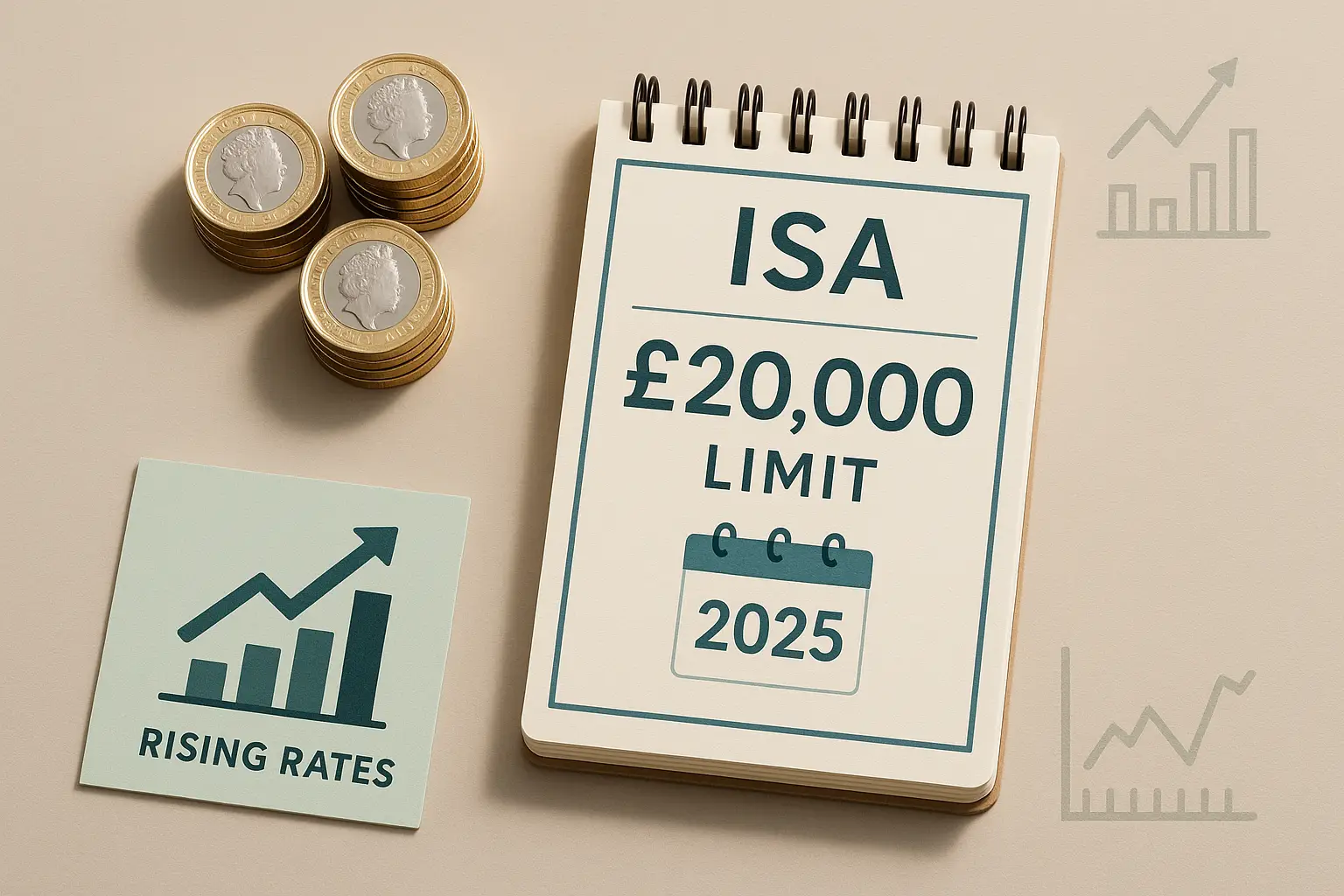
The ISA allowance for 2025/26 is £20,000, meaning you can invest up to this amount across all your ISAs without tax implications (MoneySavingExpert, 2025). You can contribute in lumps or regularly, but unused allowance doesn’t roll over. For what is a stocks and shares ISA account, it’s essentially a wrapper around your chosen investments, with providers handling the compliance.
Investment options inside the ISA
Inside a stocks and shares ISA, options include shares in UK or international companies, exchange-traded funds (ETFs) that track market indices, or managed funds where experts pick assets for you. Beginners often start with ready-made portfolios to spread risk. Platforms like Vanguard or Trading 212 offer low-cost access to these, though always check fees.
Tax treatment of gains and dividends
Gains from selling investments and dividends received are exempt from UK income tax and CGT within the ISA (NatWest, 2025). This benefit can save thousands; for example, £10,000 profit outside an ISA might incur £2,000 in CGT for a basic-rate taxpayer. Withdrawals are tax-free too, but you can’t replace withdrawn funds within the same tax year unless it’s a flexible ISA.
Benefits and risks of investing in a stocks and shares ISA
The main benefit of a stocks and shares ISA is tax-free growth, maximising your returns over time, especially for long-term goals like retirement. Potential returns often outpace inflation, with historical averages of 7-8% for diversified funds, helping your money work harder. However, risks include market volatility, where values can drop, so it’s not suitable for short-term needs.
Tax advantages
What is the benefit of a stocks and shares ISA? Primarily, it shields investments from income tax on dividends (up to 8.75% for higher earners) and CGT, potentially saving you hundreds annually. This makes it ideal for UK investors seeking efficient wealth building, as confirmed by HMRC rules.
Potential returns
Returns vary, but what is the return on a stocks and shares ISA? Diversified options have averaged 7-8% yearly historically, beating cash savings which might yield 4-5% (Which?, 2024). A good return might be 5-10% annually after fees, but always diversify to manage expectations.
Market risks and volatility
Investments can fall in value due to economic changes, and unlike cash, there’s no guarantee of getting your money back. The Financial Services Compensation Scheme (FSCS) protects up to £85,000 if the provider fails, but not against market losses.
Types of stocks and shares ISAs
Stocks and shares ISAs come in variations to suit different life stages, from standard adult accounts to those for children or first-time buyers. Each shares the tax benefits but has unique rules on contributions and access.
Standard vs junior ISA
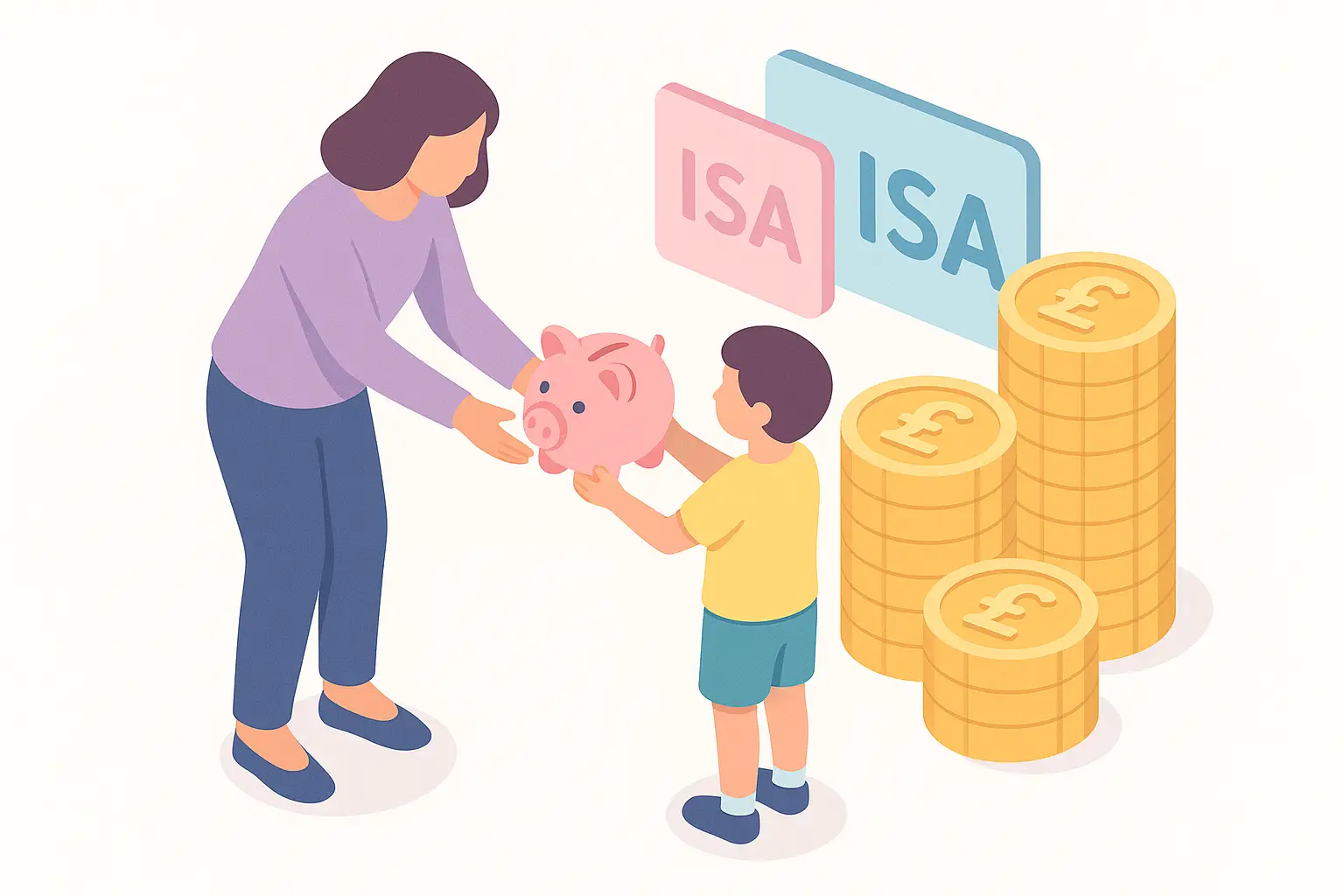
A standard stocks and shares ISA is for adults, with the full £20,000 allowance. What is a junior stocks and shares ISA? It’s for children under 18, limited to £9,000 yearly, managed by parents, with funds accessible at 18 tax-free (Hargreaves Lansdown, 2025).
Lifetime ISA integration
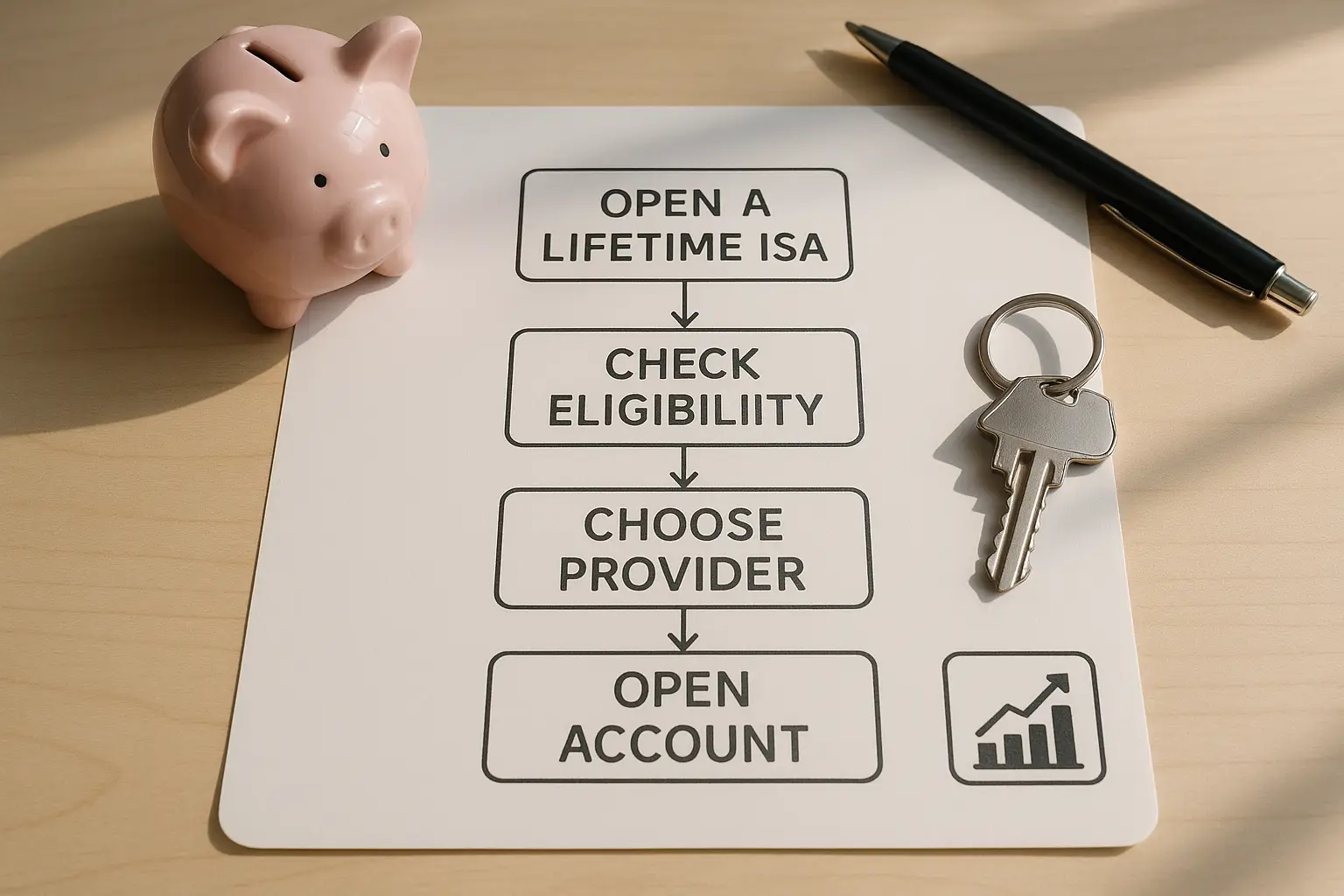
What is a stocks and shares lifetime ISA? This hybrid allows £4,000 annual contributions (part of your £20,000 allowance) for 18-39 year olds saving for a home or retirement, with a 25% government bonus. It includes stocks and shares options but penalties apply for non-qualifying withdrawals.
Flexible ISA options
What is a flexible stocks and shares ISA? It lets you withdraw and replace funds within the same tax year without using extra allowance, ideal for those needing occasional access.
How to open and manage a stocks and shares ISA
Opening a stocks and shares ISA involves selecting a provider and transferring or contributing funds online. Management is straightforward via apps, with regular reviews to adjust your portfolio.
Choosing a provider
Look for low fees, user-friendly platforms and FSCS protection. For the best stocks and shares isa, compare options like those rated by Which? without bias towards one.
Steps to get started
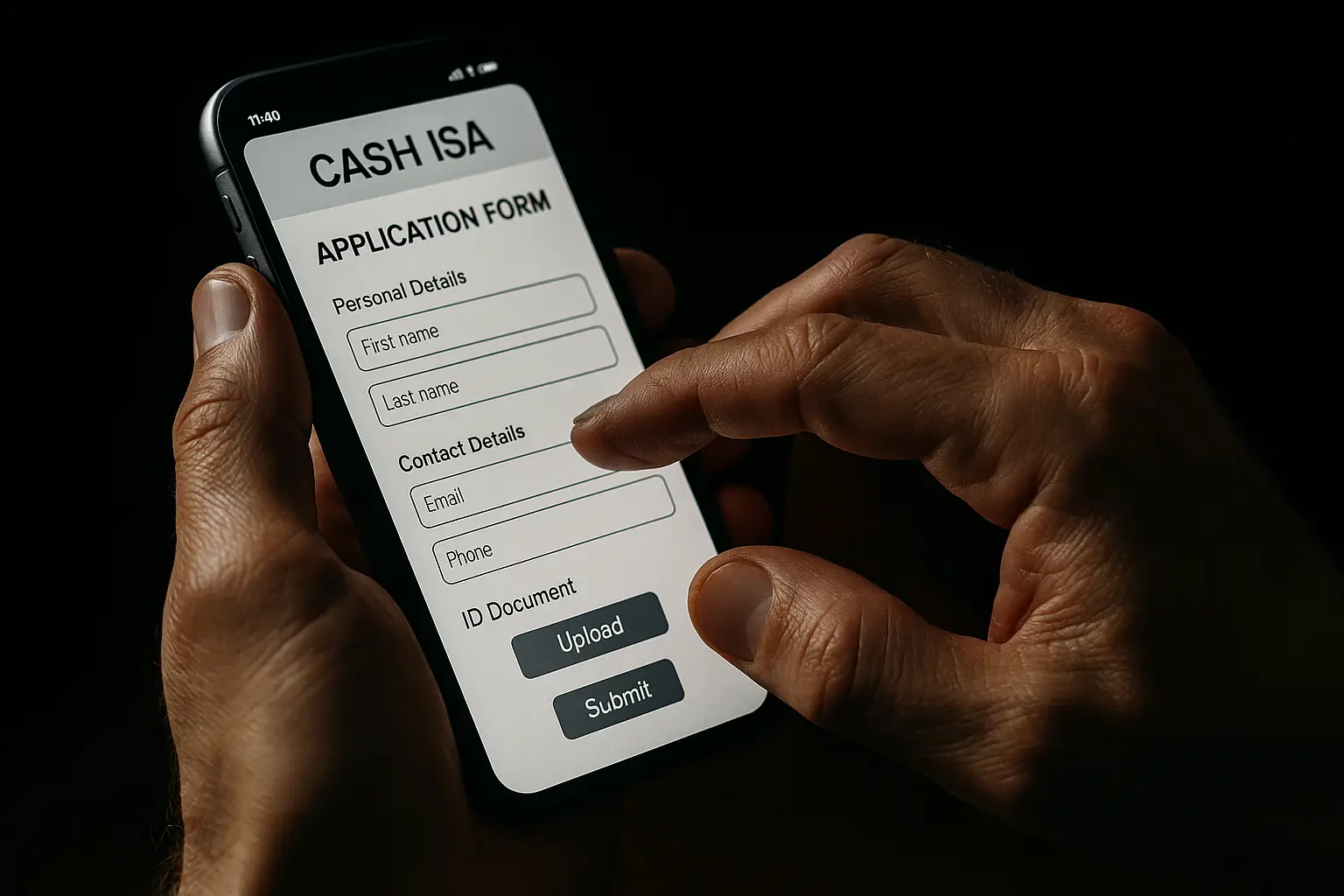
First, check eligibility on the provider’s site, then complete an online application with ID verification. Transfer existing ISAs if needed, and choose investments. Start with £100 or less on many platforms.
Ongoing management tips
Review annually, rebalance to maintain diversification, and avoid emotional decisions during market dips. Use tools for tracking performance.
Stocks and shares ISA vs cash ISA
A stocks and shares ISA offers growth potential through investments, while a cash ISA provides steady interest like a savings account. Choose based on your timeline and risk appetite; stocks for long-term, cash for short-term security.
Key differences
| Feature | Stocks and Shares ISA | Cash ISA |
|---|---|---|
| Potential Returns | 7-8% historical average (variable) | 4-5% interest (fixed but low) |
| Risk Level | High (market fluctuations) | Low (capital protected) |
| Liquidity | Can sell investments quickly | Instant access options available |
| Allowance | £20,000 (2025/26) | £20,000 (2025/26) |
| Tax Treatment | Tax-free gains/dividends | Tax-free interest |
(Data sourced from MoneySavingExpert, 2025, and Which?, 2024)
When to choose each
Opt for a cash ISA if preserving capital is key, especially in uncertain times. For what is a cash ISA vs stocks and shares ISA, choose stocks if you’re comfortable with volatility for higher long-term growth. Many use both for balance.
Frequently asked questions
How does a stocks and shares ISA work?
A stocks and shares ISA works by allowing you to invest your money in assets like shares and funds within a tax-protected account. You contribute up to your annual allowance, select investments through a provider, and any growth or income is tax-free. Withdrawals can be made anytime, but for non-flexible ISAs, you can’t replace the amount in the same year without using new allowance. This structure makes it a powerful tool for UK beginners building wealth, as it combines investment access with HMRC-backed tax relief.
What’s the difference between a cash ISA and a stocks and shares ISA?
The key difference is that a cash ISA holds money earning interest like a savings account, offering stability, while a stocks and shares ISA invests in markets for potential higher returns but with risk of loss. Cash ISAs suit short-term savers, with returns around inflation, whereas stocks and shares can beat it long-term but fluctuate. Both share the £20,000 allowance and tax benefits, but choose based on your goals – security vs growth. For deeper comparisons, sites like MoneySavingExpert provide detailed breakdowns tailored to 2025 rules.
Can I lose money in a stocks and shares ISA?
Yes, you can lose money in a stocks and shares ISA because the value of investments like shares can fall due to market conditions, economic news or company performance. Unlike cash ISAs, there’s no capital guarantee, so only invest what you can afford to lose. However, over long periods (5+ years), diversified portfolios tend to recover and grow, historically averaging 7-8% returns. To mitigate, start with low-risk funds and consult free resources from Which? for risk assessment strategies.
How much can I invest in a stocks and shares ISA?
You can invest up to £20,000 in a stocks and shares ISA for the 2025/26 tax year, as part of your total ISA allowance across all types. This limit resets each tax year on 6 April, and you can split it between providers if needed. Contributions can be from earnings or savings, but track to avoid exceeding the cap, which incurs tax penalties. For beginners, even small amounts like £50 monthly via direct debit build habits without maxing out immediately.
What are the best stocks and shares ISAs for beginners?
For beginners, the best stocks and shares ISAs feature low fees, easy-to-use apps and ready-made funds to simplify investing. Providers with strong ratings from Which? and MoneySavingExpert, like those offering index trackers, are ideal due to diversification and minimal management. Focus on FSCS protection and no exit fees; avoid high-cost options. Always review current comparisons for 2025, as platforms evolve, and start with educational tools to build confidence.
What is a good return on stocks and shares ISA?
A good return on a stocks and shares ISA is typically 5-7% annually after inflation and fees for a balanced portfolio, though it varies by risk level and market conditions. Historically, diversified UK investments have achieved 7-8%, but short-term dips are common – aim for long-term horizons to smooth volatility. Track against benchmarks like the FTSE 100; if your ISA outperforms by 2-3%, that’s strong. Consult NatWest or Hargreaves Lansdown guides for realistic expectations based on 2025 data.
How much can I contribute to a junior stocks and shares ISA?
You can contribute up to £9,000 per tax year to a junior stocks and shares ISA for a child under 18, separate from adult allowances. Parents or guardians manage it, investing in similar assets for tax-free growth until the child turns 18, when control transfers. This is great for long-term family savings, potentially compounding significantly over 18 years at average returns. Rules are set by HMRC, so verify via official sources for any 2025 updates.