What is a fixed rate ISA?
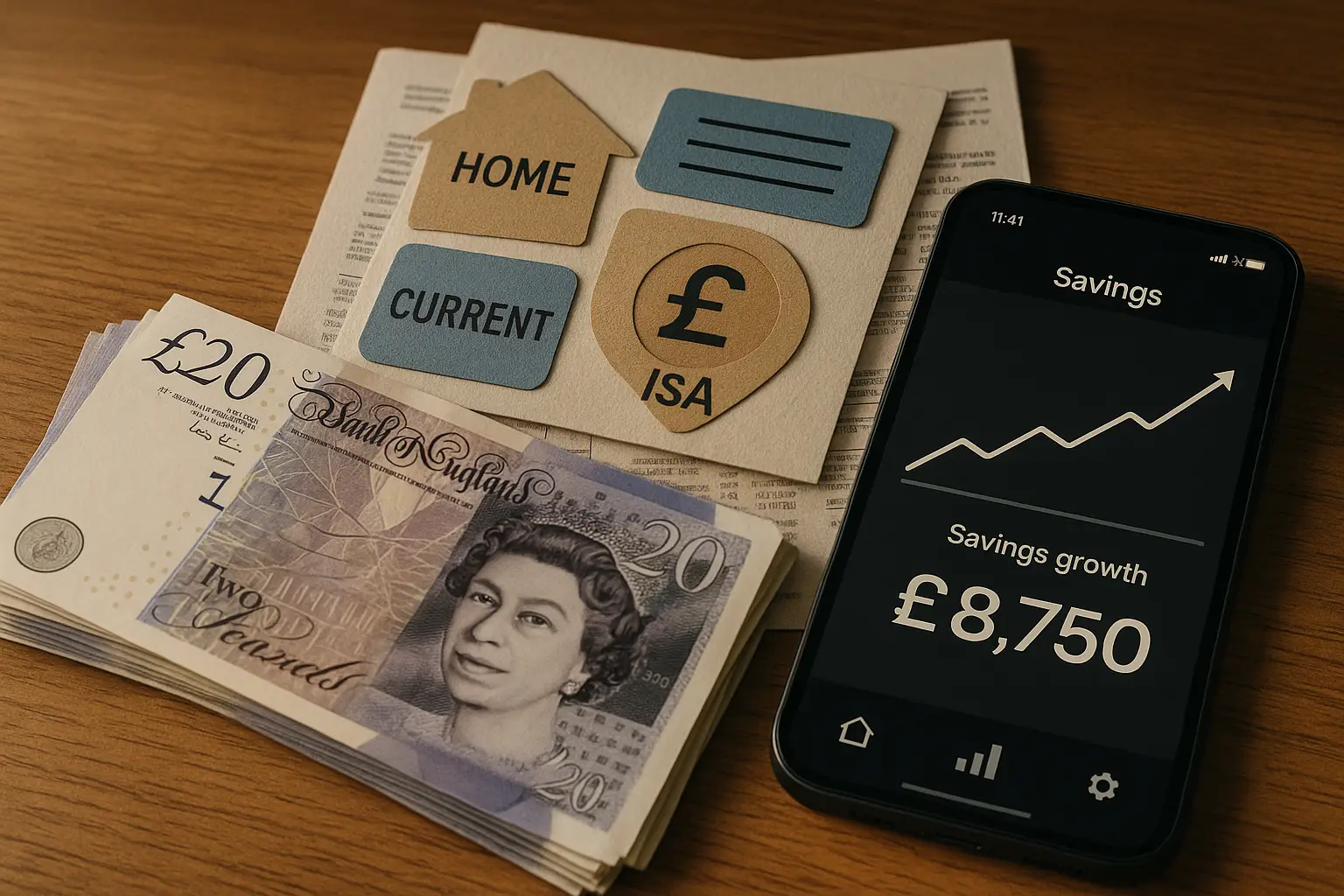
A fixed rate ISA offers savers a guaranteed interest rate for a set period, protecting against market fluctuations while enabling tax-free growth on savings. This makes it an attractive option for those seeking stability in their finances.
Definition and how it works
A fixed rate ISA, or Individual Savings Account, is a type of cash ISA where the interest rate remains constant throughout the term, typically ranging from one to five years. You deposit money, and the provider pays interest at the agreed AER (Annual Equivalent Rate), which compounds tax-free. At the end of the term, you can withdraw the funds or reinvest, but early access often incurs penalties.
Eligibility and limits
UK residents aged 18 or over can open a fixed rate ISA, with an annual allowance of £20,000 for the 2025/26 tax year, as confirmed by GOV.UK (accessed 2025-10-21). You cannot exceed this across all ISAs, and over 41.9% of savers contribute between £1 and £2,499 annually to benefit from tax-free growth.
Stability in uncertain times
Fixed rate ISAs provide peace of mind through rate security, shielding savers from Bank of England base rate cuts that could lower returns on variable accounts.
Protection against rate cuts
In 2025, with anticipated BoE base rate reductions, fixed rate ISA stability becomes crucial, locking in higher yields before drops. For instance, 44% of savers increased allocations to fixed accounts anticipating these changes, according to Money Age (accessed 2025-10-21). This security appeals to risk-averse individuals planning for retirement or emergencies.
Guaranteed returns
Unlike variable options, fixed rate savings guarantee the stated AER, offering predictability. This psychological benefit reduces stress over economic volatility, ensuring steady growth regardless of market shifts.
Risk comparison to variable options
Variable ISAs may offer flexibility but expose savers to rate decreases, potentially eroding benefits of fixed rate ISA vs variable setups. For detailed differences, see our guide on fixed rate isa vs variable. Fixed options suit conservative strategies, minimising downside risk.
Tax-free growth maximised
The core tax free ISA benefits lie in shielding interest from income tax, allowing full compounding without HMRC deductions, which is especially valuable for higher earners.
£20,000 annual allowance
This limit enables substantial tax-free savings, with fixed rate ISAs optimising it through locked-in rates. As per GOV.UK data, it supports long-term goals like home deposits or education funds.
Compounding benefits
Interest reinvests automatically, accelerating fixed ISA tax free growth. Over time, this outperforms taxable accounts, particularly for those exceeding the Personal Savings Allowance.
Avoiding personal savings allowance
Basic-rate taxpayers have a £1,000 PSA; higher earners get less. Fixed rate ISAs bypass this entirely, preserving every penny of earnings and enhancing overall returns.
Current rates and examples (2025)
As of October 2025, top fixed rate ISAs yield up to 4.27% AER, providing solid benefits of fixed rate isa in a cooling rate environment.
Top fixed rates
Here’s a comparison of leading options, based on MoneySavingExpert data (accessed 2025-10-21):
| Provider | Term | AER | Min Deposit |
|---|---|---|---|
| Example Provider A | 1 year | 4.27% | £1,000 |
| Example Provider B | 2 years | 4.10% | £500 |
| Example Provider C | 5 years | 3.85% | £5,000 |
For the latest, check fixed rate isa rates.
Projected growth scenarios
A £10,000 deposit at 4% AER grows to £10,408 after one year tax-free. Over five years, it reaches £12,194 via compounding, versus £11,800 taxable for a basic-rate taxpayer (using GOV.UK tax rules). This highlights tax free isa benefits for long-term savers.
Fixed vs easy access
Easy access ISAs offer liquidity but lower rates (around 4.51% max in 2025), while fixed provide higher security. Choose based on needs; for stability, fixed excels. Explore more in our best fixed rate isa overview.
Potential drawbacks and tips
While offering strong benefits of fixed rate isa, these accounts limit access, so weigh liquidity against rewards.
Liquidity issues
Penalties for early withdrawal can reduce returns significantly, up to 365 days’ interest lost.
When to choose fixed
Opt for fixed if you have surplus funds and expect rate falls, ideal for 2025’s outlook. For steps, read how to open a fixed rate isa.
FSCS protection
Accounts are safeguarded up to £85,000 per provider by the Financial Services Compensation Scheme, ensuring safety. Top rates hit 4.55% for fixed bonds, per MoneySavingExpert (accessed 2025-10-21).
Frequently asked questions
What is a fixed rate ISA?
A fixed rate ISA is a tax-efficient savings account with a locked interest rate for a fixed term, typically 1-5 years. It allows UK residents to save up to £20,000 annually without paying tax on interest earned. This structure provides predictability, making it popular for conservative savers seeking benefits of fixed rate isa stability amid economic uncertainty.
How does a fixed rate ISA work?
You deposit funds into the account, and the provider guarantees a set AER for the term, with interest compounding tax-free. Withdrawals before maturity usually incur penalties, but at term end, you access the full amount plus growth. It’s ideal for long-term planning, as the security of fixed rate savings protects against rate drops, enhancing overall returns compared to variable alternatives.
Are fixed rate ISAs safe?
Yes, fixed rate ISAs are safe when held with authorised UK providers protected by the FSCS up to £85,000. The capital is secure, and returns are guaranteed, minimising market risks. For risk-averse savers, this offers peace of mind, especially in 2025 with BoE rate cut forecasts; however, inflation could erode real value, so consider your timeline.
What are the disadvantages of a fixed rate ISA?
The main drawback is limited access, with early withdrawal penalties potentially costing significant interest. Rates may become uncompetitive if market rates rise during the term. Despite tax free isa benefits, it’s less flexible than easy access options, suiting those who can commit funds without needing liquidity soon.
How much can I save in a fixed rate ISA?
The annual ISA allowance is £20,000 for 2025/26, applicable across all ISA types including fixed rate. You can contribute this amount tax-free, with many starting small—41.9% of savers add £1-£2,499 yearly. Transfers from other ISAs are possible without affecting the allowance, allowing optimisation of fixed isa tax free growth.
What are the key benefits of fixed rate isa for 2025?
In 2025, benefits include locking in rates up to 4.27% AER before anticipated cuts, offering stability and tax efficiency. This protects against volatility, with guaranteed returns boosting compounding. For intermediate savers, it outperforms variables in a declining rate environment, supporting goals like retirement without tax drags.
Should I choose fixed rate vs variable ISA?
Fixed suits stability seekers, guaranteeing returns amid 2025 rate uncertainties, while variable offers flexibility but potential drops. Fixed rate isa vs variable hinges on your needs—if you prioritise security of fixed rate savings, go fixed; otherwise, variable may fit short-term liquidity. Expert strategy: diversify across both for balanced risk.
Disclaimer: This article is for informational purposes only and not financial advice. Consult a qualified advisor before making decisions. Rates are as of October 2025 and may change; always verify current details.