
Overview of child savings account types and rates
Child savings account interest rates in 2025 range from 2.5% to 5.5% AER, with the highest top child savings account interest rates reaching 5.5% for easy-access options from select building societies. AER stands for annual equivalent rate, which shows the true return on your money after compounding interest. These accounts help UK parents build funds for their children’s future, with total deposits hitting £12.5 billion in child savings across the UK, according to official statistics.
Easy-access accounts
Easy-access child savings accounts offer flexibility, allowing withdrawals anytime without penalties. The top rates here hit 5.5% AER as of October 2025, ideal for parents needing liquidity while earning competitive child savings account interest rates. Building societies often lead, but always check for minimum deposits, which can be as low as £1.
Fixed-rate bonds
For those who can lock away funds, fixed-rate child bonds provide stability with rates around 4.5% AER for one-year terms. These beat inflation at 2.1%, protecting your child’s savings from rising costs. However, early withdrawals may incur penalties, so they’re best for short-term goals like education expenses.
Regular saver options
Regular saver accounts encourage monthly deposits, often capping at £200-£500, with rates up to 4.8% AER. They’re great for teaching kids about saving habits, but limits on contributions mean they’re suited for consistent, small builds rather than large lump sums. Average rates sit at 2.5-3.5% AER across major providers.
| Provider | Account Type | AER (%) | Min/Max Balance |
|---|---|---|---|
| Select Building Societies | Easy-Access | 5.5 | £1 / £10,000 |
| Major UK Banks (Average) | Easy-Access | 2.5-3.5 | £1 / £5,000 |
| NatWest | Children’s Saver | 2.0-2.5 | No min / £5,000 |
| Various Providers | 1-Year Fixed Bond | 4.5 | £100 / £25,000 |
| Regular Savers | Monthly Deposit | Up to 4.8 | £25/month / £2,400/year |
Data sourced from Which? and Moneyfacts, accessed October 2025. Rates may vary; verify current offers.
Tip for parents: Start small with an easy-access account to build the habit, then switch to fixed rates as your child’s goals solidify. Remember, all UK child savings accounts up to £85,000 per child are protected by the FSCS.
Top rates from major UK banks and building societies
Major UK banks offer reliable but lower child savings account interest rates, averaging 2.5-3.5% AER. NatWest child savings account interest rates stand at 2.0-2.5% AER for balances up to £5,000, with no minimum deposit required, making it accessible for new parents. For comparison, visit Yorkshire Building Society’s rate comparison or check MoneySavingExpert’s latest picks at their best savings accounts guide.
Building societies often outperform high-street banks, with top easy-access rates at 5.5% AER. Online challengers like Atom Bank or Shawbrook provide competitive 4-5% options, including app-based parental controls missed in traditional lists. For a full scan, use Moneyfacts’ savings comparison tool, which updates daily and filters for child accounts.
Factors affecting child savings rates in 2025
The Bank of England’s base rate stability at around 4.75% has pushed average child savings account interest rates up by 0.5% into 2025. Inflation at 2.1% means choosing rates above this preserves purchasing power for your child’s future. Tax rules play a role too: interest is tax-free for children under £100 annually via the personal savings allowance, but exceeding this could trigger parental tax charges.
Global economic trends and provider competition also influence rates, with online banks offering higher yields to attract deposits. FSCS protection ensures safety up to £85,000, giving parents peace of mind. For more on tax-free options, explore our guide on the best child savings account.
How to choose the best child savings account
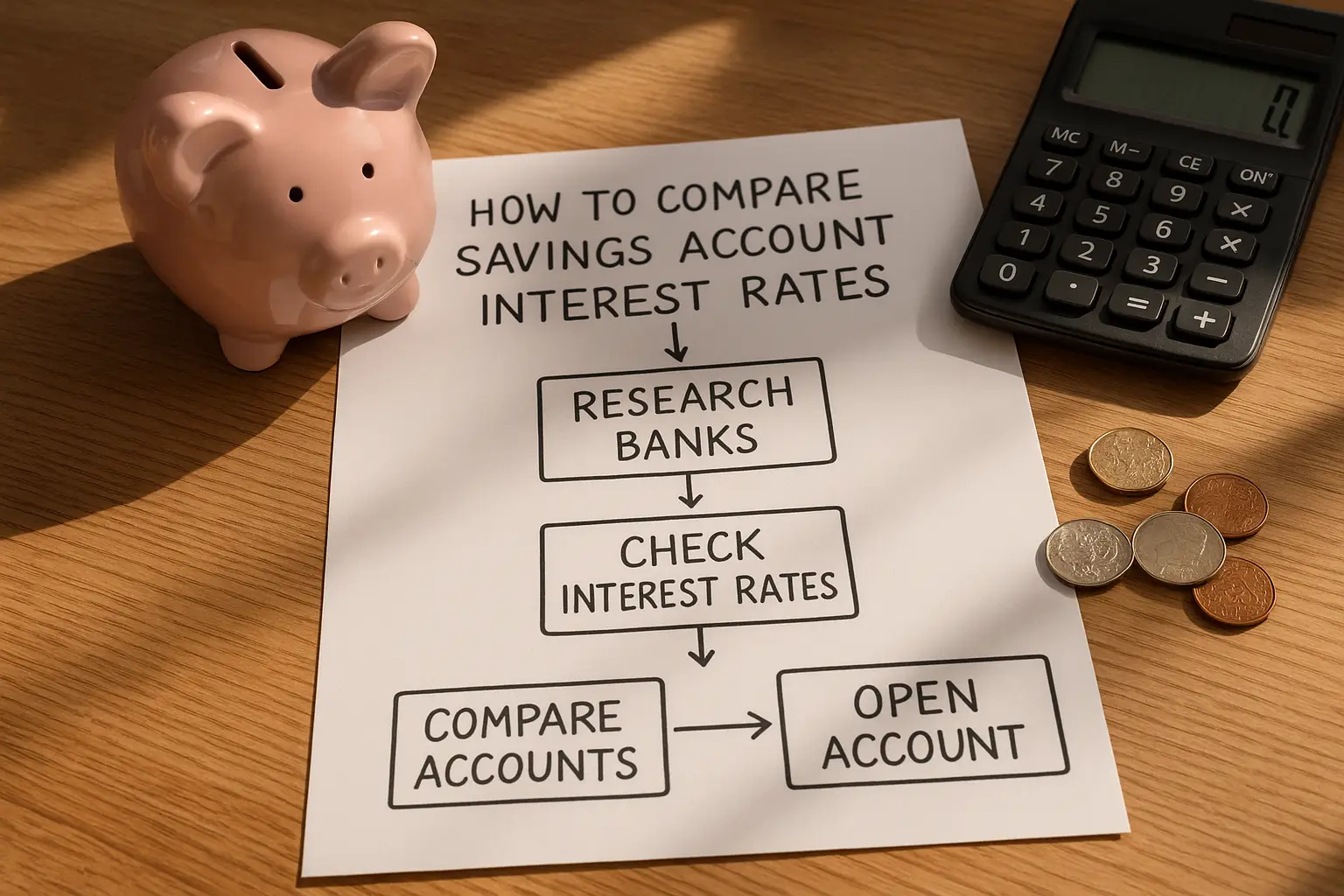
Prioritise AER, flexibility, and eligibility—most accounts accept children from birth to 18, with parents managing until age 16. Calculate returns: on £1,000 at 5% AER, you’d earn £50 yearly. Compare via tables and tools to find the top child savings account interest rates suiting your needs.
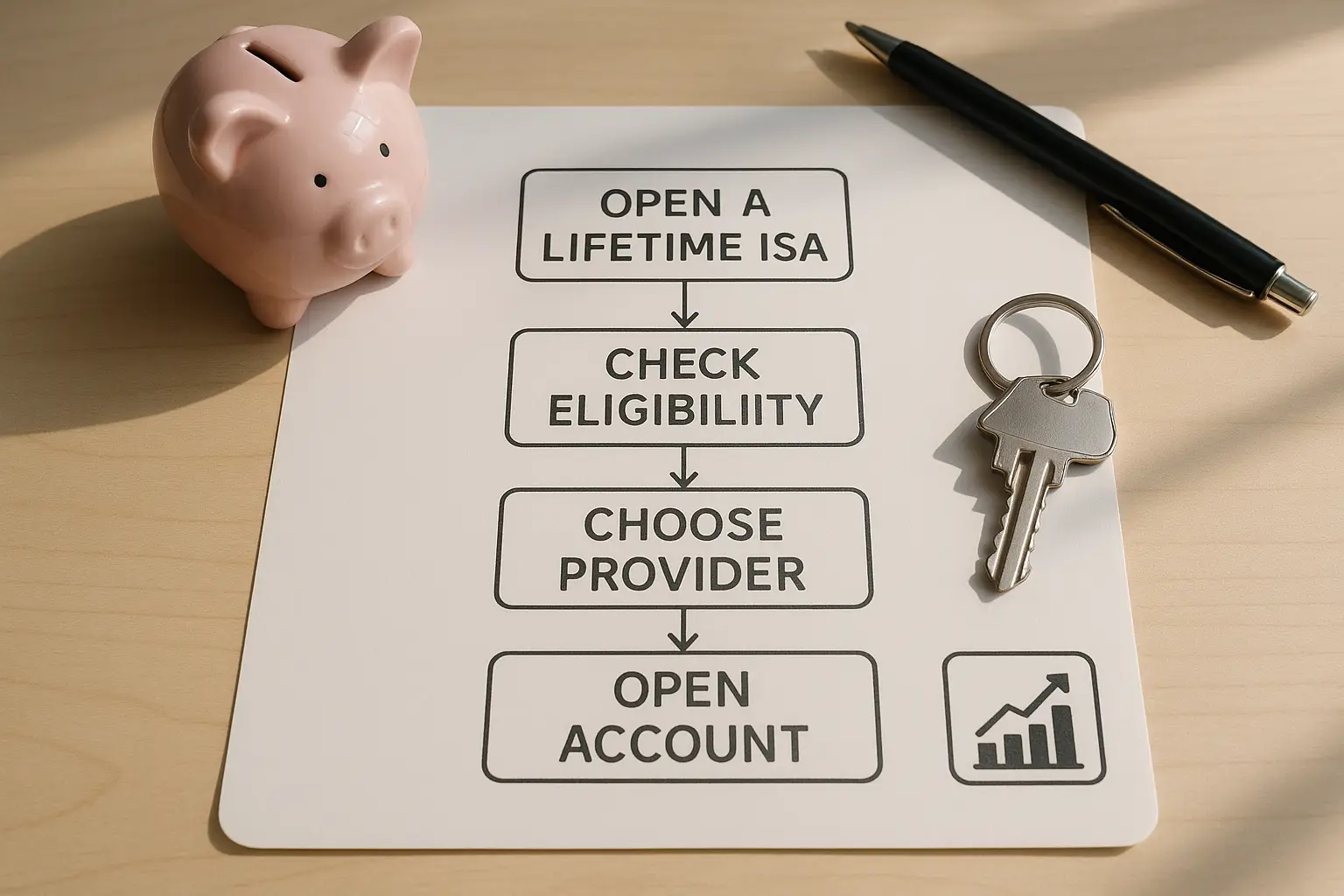
Consider the benefits of child savings accounts, like building financial literacy early. For steps, see how to open a child savings account—it requires ID for the guardian and child’s birth certificate.
Frequently asked questions
What is the highest interest rate for a child savings account in 2025?
The highest easy-access child savings account interest rates reach 5.5% AER from select UK building societies as of late 2025. This outperforms averages and helps combat inflation, but availability is limited to eligible providers. Parents should compare options regularly, as rates can shift with market conditions; check sources like Which? for updates.
Are child savings accounts tax free?
Interest on child savings accounts is generally tax-free for the child up to £100 per year under their personal allowance. However, if parents contribute over £100 in interest-generating funds annually, the excess may be taxed as the parent’s income to prevent avoidance. For fully tax-free growth, consider a Junior ISA alongside standard accounts, which offers up to £9,000 yearly contributions.
How much interest do child savings accounts pay?
Average child savings account interest rates in 2025 are 2.5-3.5% AER across major UK banks, while top rates hit 5.5% for easy-access and 4.8% for regular savers. Earnings depend on balance and term; for example, £2,000 at 4% AER yields £80 yearly. Always review AER for accurate comparisons, as it accounts for compounding.
What is the best easy access children’s savings account?
The best easy-access children’s savings accounts in 2025 offer 5.5% AER with low minimums and full withdrawal flexibility, often from building societies like Coventry or Leeds. These suit parents needing quick access for emergencies. Compare via independent sites to ensure FSCS protection and no hidden fees.
Can I open a savings account for my child?
Yes, UK parents or guardians can open a child savings account from birth, acting as trustee until the child turns 16. Requirements include proof of address and the child’s birth certificate; no credit check needed. Start with easy-access for flexibility, and explore options at banks like NatWest for seamless integration with family banking.
How do NatWest child savings rates compare to competitors?
NatWest child savings account interest rates of 2.0-2.5% AER lag behind top providers at 5.5%, but offer convenience for existing customers with no minimum deposit. Competitors like online banks provide higher yields but may require app management. For loyal users, NatWest suits basics; switch for better returns if maximising growth is key.