
Understanding cash ISAs and stocks and shares ISAs
When comparing cash ISA vs stocks and shares ISA, the choice hinges on your financial goals, risk tolerance, and time horizon for 2025. A cash ISA offers secure, predictable returns similar to a savings account, while a stocks and shares ISA provides potential for higher growth through investments in shares, funds, and bonds. Both are tax-free wrappers that shield your earnings from income tax and capital gains tax, making them essential for UK savers.
What is a cash ISA?
A cash ISA is a tax-free savings account where your money earns interest, much like a traditional savings product. It suits those seeking stability, with funds protected up to £85,000 by the Financial Services Compensation Scheme (FSCS). In 2025, average rates hover around 4.5-5% AER, according to Moneyfacts, providing a safe haven amid economic uncertainty. For more on what is a cash ISA, explore the basics of eligibility and types.
What is a stocks and shares ISA?
A stocks and shares ISA lets you invest in a range of assets like stocks, shares, and investment funds within a tax-free environment. Unlike cash options, returns depend on market performance, averaging 7-8% annually historically based on the FTSE All-Share Index, but with ups and downs. It’s ideal for long-term growth, though platform fees typically range from 0.25% to 0.45%. As detailed in Legal & General’s guide on cash ISA vs stocks and shares ISA, this type suits investors comfortable with volatility.
Key similarities and differences
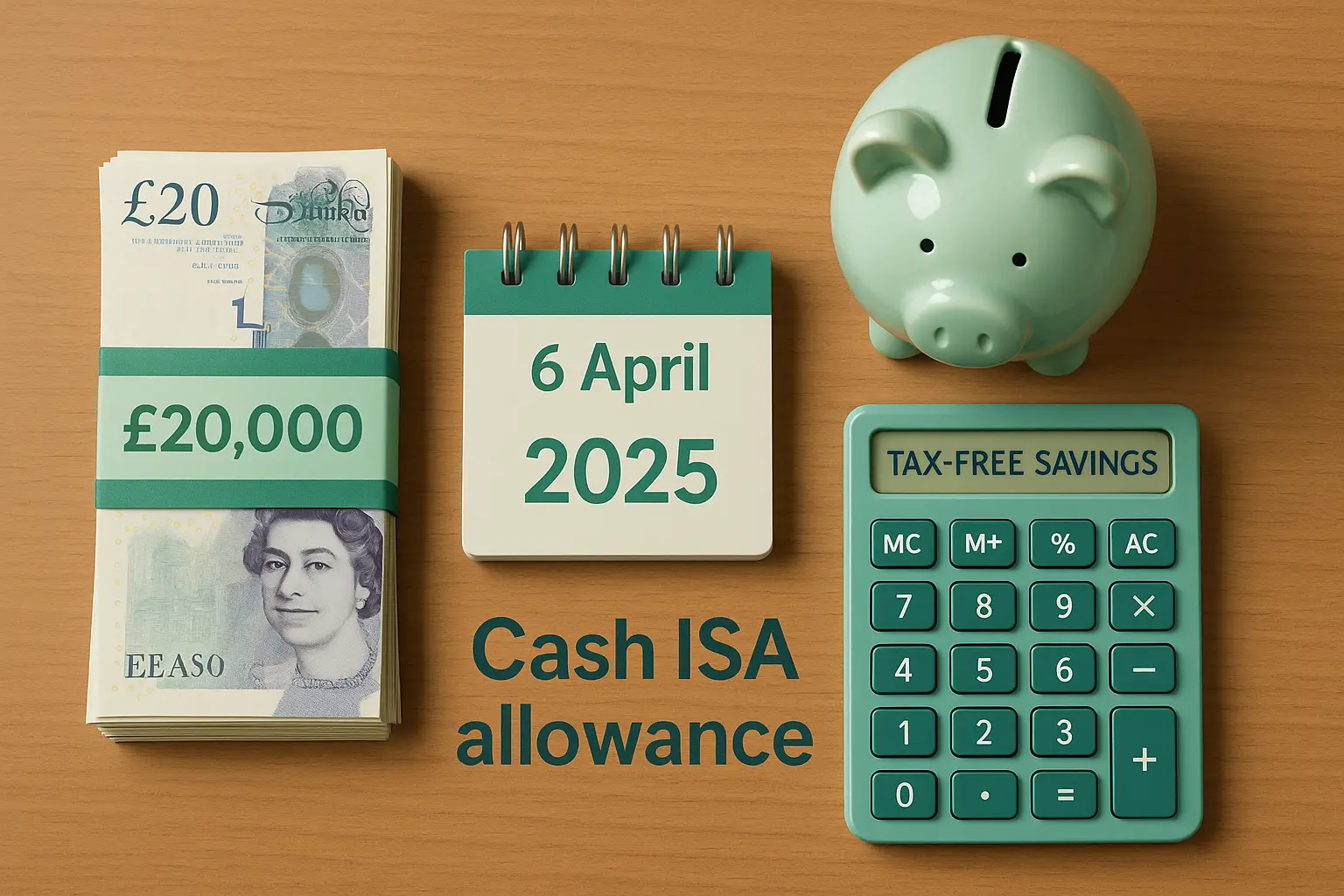
Both ISAs share a £20,000 annual allowance for the 2025/26 tax year, per HMRC rules, and allow tax-free withdrawals at any time. You can hold multiple ISAs but subscribe to only one of each type per tax year. The main differences lie in risk: cash ISAs offer guaranteed principal protection, while stocks and shares ISAs expose you to market fluctuations. Cash options provide liquidity and FSCS cover, whereas shares involve potential losses but higher reward potential.
Pros and cons of each ISA type
Cash ISAs excel in low-risk scenarios with steady interest, but may lag behind inflation. Stocks and shares ISAs promise superior long-term returns, yet carry the risk of capital loss during downturns.
Advantages and risks of cash ISAs
Advantages include capital preservation and easy access, perfect for emergency funds. Risks are minimal, though interest rates can fall with base rate changes. In 2025, with rates at 4.5-5%, they beat standard savings for tax payers.
Advantages and risks of stocks and shares ISAs
These ISAs offer diversification across global markets for potential growth outpacing inflation. Risks include market volatility, where values can drop 20-30% in bad years, as seen in past recessions. However, over 10+ years, they historically outperform cash.
Performance comparison in 2025
In 2025, cash ISAs yield 4.5-5% AER amid stable interest rates, per Moneyfacts data at best UK ISA rates this week. Stocks and shares ISAs, tracking indices like the FTSE, could return 7-8% but with variance; for instance, 2024 saw 8.5% gains. Total ISA investments hit £103 billion last year, two-thirds in cash, reflecting saver caution.
| Feature | Cash ISA | Stocks and Shares ISA |
|---|---|---|
| Risk Level | Low (FSCS protected) | Medium to High (market-dependent) |
| Expected Returns 2025 | 4.5-5% AER | 7-8% average (volatile) |
| Best For | Short-term savings | Long-term growth |
| Fees | Minimal | 0.25-0.45% platform fees |
Which ISA suits your goals?
Choose based on your timeline: cash for near-term needs, stocks and shares for retirement. A hybrid splits your allowance for balance.
Short-term savings: Why choose cash?
For goals within 5 years, like a holiday or home deposit, cash ISAs preserve value without loss risk. They beat taxable savings, especially for higher-rate taxpayers. Check current cash ISA rates for the best deals.
Long-term growth: Stocks and shares benefits
Over 10+ years, stocks and shares ISAs harness compounding for wealth building, ideal for pensions. Diversified funds mitigate risks, as MoneySavingExpert explains in their stocks and shares ISAs guide.
Hybrid approach: Using both
You can split your £20,000 allowance between cash and stocks and shares ISAs for diversification. This hedges against inflation while maintaining liquidity—many savers allocate 50/50 based on forums like Reddit discussions on stocks and shares ISA vs cash ISA.
Lifetime and junior ISAs: Specialized comparisons
These variants add bonuses or child benefits, extending the cash ISA vs stocks and shares ISA debate.
Cash vs stocks and shares lifetime ISA
Lifetime ISAs (LISAs) for 18-39-year-olds offer a 25% government bonus up to £1,000 on £4,000 contributions. Cash LISAs provide stable growth for first-home buyers, while stocks and shares versions amplify returns but add risk. Penalties apply for non-qualifying withdrawals, per OneFamily’s Lifetime ISA: Cash vs Stocks and Shares overview.
Junior cash vs stocks and shares ISA for children
Junior ISAs (JISAs) allow £9,000 yearly for under-18s. Cash JISAs ensure safety for education funds, whereas stocks and shares JISAs build wealth over 18 years. Parents often choose shares for higher potential, as Forbes notes in best stocks and shares junior ISAs 2025; funds lock until age 18.
2025 ISA rules and considerations
Stay informed on limits and changes for optimal use.
Current allowance and limits
The ISA allowance is £20,000 for 2025/26, covering all types, as per HMRC’s Individual Savings Accounts. You can have multiple but subscribe once per type.
Potential policy changes
Rumours suggest halving cash ISA limits to £10,000 from April 2025 to boost stock investments, reported by iNews in Is Now the Time to Get a Cash ISA?. Monitor official updates.
Best platforms and rates
Platforms like Trading 212 or Moneybox vary; compare fees for stocks and shares. For cash, top rates are key—see the pillar on best cash ISA options.
How to get started with an ISA
Opening is straightforward; follow these steps for 2025.
Eligibility and opening process
UK residents over 18 qualify. Choose a provider, verify ID, and deposit via app or bank transfer. For guidance, learn how to open cash ISA or shares equivalent.
Transferring existing ISAs
Transfer up to your full allowance without tax loss; providers handle it free. This consolidates holdings efficiently.
Tax implications
All growth is tax-free, saving up to 45% on gains. No impact on benefits if under limits.
Frequently asked questions
What is the difference between a cash ISA and a stocks and shares ISA?
The core difference in cash ISA vs stocks and shares ISA lies in structure: cash ISAs function like savings accounts with fixed interest and low risk, protected by FSCS up to £85,000. Stocks and shares ISAs invest in markets for higher potential returns but expose you to volatility and possible losses. Both offer tax-free benefits, but cash suits conservative savers, while shares appeal to those seeking growth over time. In 2025, this choice depends on your horizon, with cash providing stability amid uncertain rates.
Which is better: cash ISA or stocks and shares ISA?
Neither is universally better; it depends on risk tolerance and goals in the stocks and shares ISA vs cash ISA debate. Cash ISAs guarantee returns around 4.5-5% in 2025, ideal for short-term needs without loss worry. Stocks and shares ISAs historically yield 7-8%, better for long-term wealth but with market risks. Beginners might start with cash, while experienced investors diversify into shares for inflation-beating growth.
Can I have both a cash ISA and stocks and shares ISA?
Yes, you can hold both a cash ISA and stocks and shares ISA simultaneously, and even subscribe to one of each within the £20,000 annual allowance. This hybrid strategy allows diversification, keeping emergency funds in cash while investing for growth in shares. Transfers between types are possible without losing tax benefits, but you can’t exceed subscription limits per tax year. It’s a popular approach for balanced portfolios in 2025.
What are the risks of a stocks and shares ISA?
Stocks and shares ISAs carry investment risks, including capital loss if markets fall, unlike protected cash options. Volatility can see values drop 10-30% short-term, influenced by economic factors like interest rates. However, diversification via funds reduces this, and long-term holding mitigates losses with historical recoveries. Always consider your tolerance; FSCS doesn’t cover investment shortfalls.
How much can I put in an ISA in 2025?
The ISA allowance for 2025/26 remains £20,000, split across all ISA types including cash and stocks and shares. This covers contributions to one or multiple products, with unused allowance not carried over. For Lifetime or Junior ISAs, separate limits apply (£4,000 and £9,000 respectively). Exceeding triggers tax on excess gains, so track via HMRC.
Should I choose a cash lifetime ISA vs stocks and shares lifetime ISA?
For cash lifetime ISA vs stocks and shares lifetime ISA, opt for cash if prioritising the 25% bonus for a secure home deposit without risk. Stocks versions boost growth potential for retirement but add market exposure, suitable for longer timelines. Both qualify for the £1,000 bonus on £4,000 input, but early withdrawals incur 25% penalties. Assess your age and goals—under 40s often blend both for balance.
Is a junior stocks and shares ISA vs cash ISA worth it for my child?
A junior stocks and shares ISA vs cash ISA offers growth for your child’s future, with £9,000 allowance in 2025, outperforming cash over 18 years despite risks. Cash provides safety for nearer needs like school fees. Many parents choose shares for compound effects, but diversify to manage volatility. Funds access at 18 ensures long-term benefits without tax.